Hot mounting is a very common method for installing bearings, particularly those requiring an interference fit. By heating the bearing to expand its inner ring, it can be easily fitted onto the journal; this not only saves effort but also avoids damage to the raceways and rolling elements that can…
-
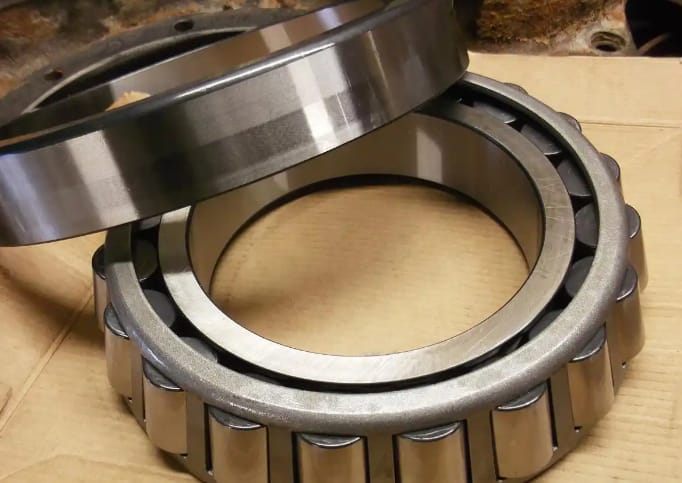
Why must the temperature for the hot mounting of bearings not exceed 120°C?
-
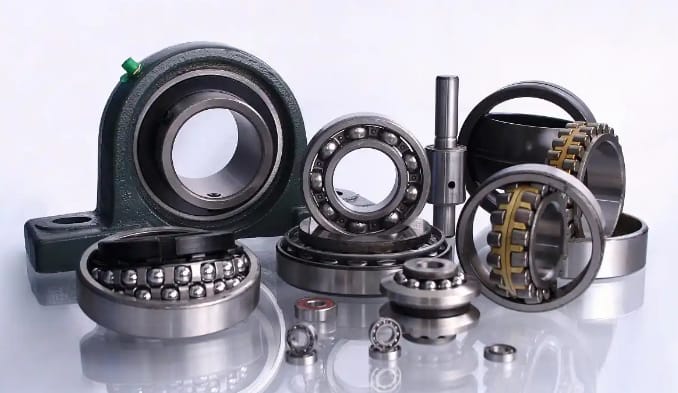
What causes bearings to overheat during operation, and how should this be addressed?
1. Incorrect installation of rolling bearings, or fit tolerances that are too tight or too loose. Solution: The performance of a rolling bearing depends not only on its manufacturing precision but also on the dimensional accuracy, geometric tolerances, and surface roughness of the mating shaft and housing bore, as well…
-
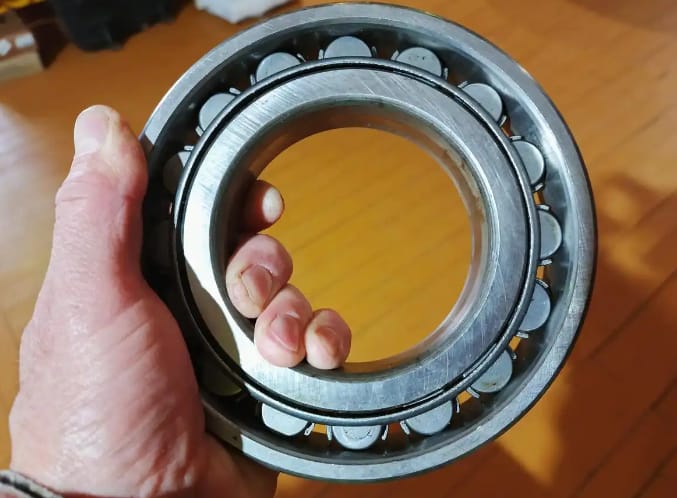
What Are Spherical Bearings? Working Principles, Application Areas, and Development Trends
Spherical bearings are a common type of rolling-element bearing, consisting of an inner ring, an outer ring, steel balls, and a cage. They are characterized by their ability to withstand significant radial loads and certain axial loads, while also possessing self-aligning capabilities. Spherical bearings are widely used in machinery across…
-
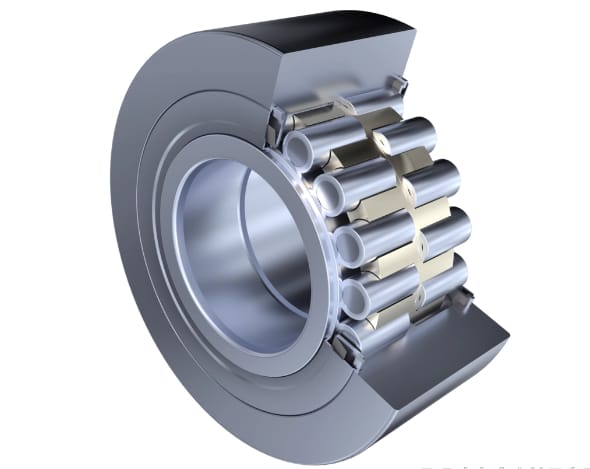
Hollow roller bearing
The defining characteristic of hollow roller bearings lies in the unique construction of their rolling elements. Rather than being solid cylinders, these elements feature a hollow structure with a cylindrical through-hole. The direct physical consequence of this design is that the rolling elements undergo controlled elastic deformation when subjected to…
-
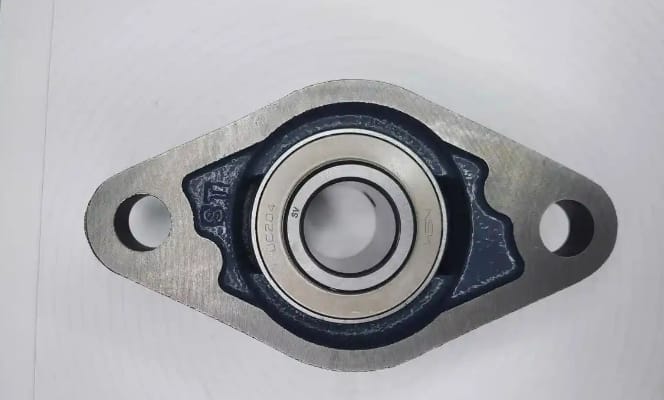
Double-row cylindrical roller bearings
In industrial machinery, bearings are core components that support rotational motion; their performance directly impacts equipment operating precision, load-bearing capacity, and service life. Among the various types of bearings, double-row cylindrical roller bearings play an irreplaceable role in specific applications due to their unique structural design. This article aims to…
-
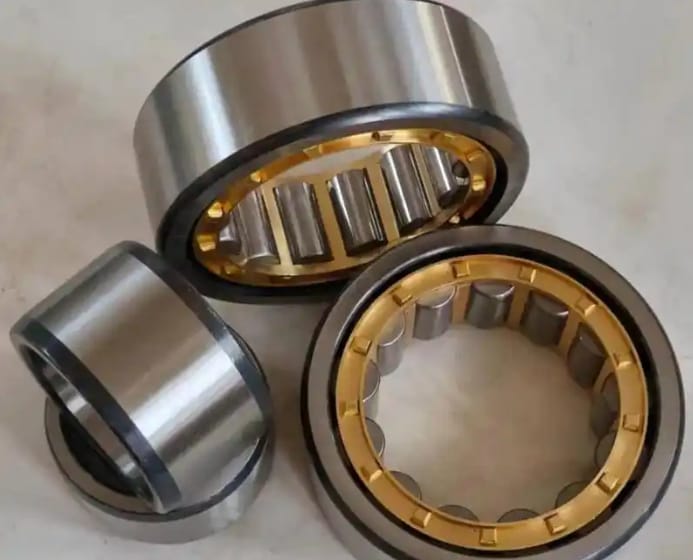
Introduction to Rubber Bearings
Rubber bearings are common mechanical components widely used in various types of rotating or oscillating equipment. Their core components include inner and outer metal rings with an intermediate rubber layer; this rubber layer is securely bonded to the metal parts through a specialized vulcanization process, providing both structural support and…
-
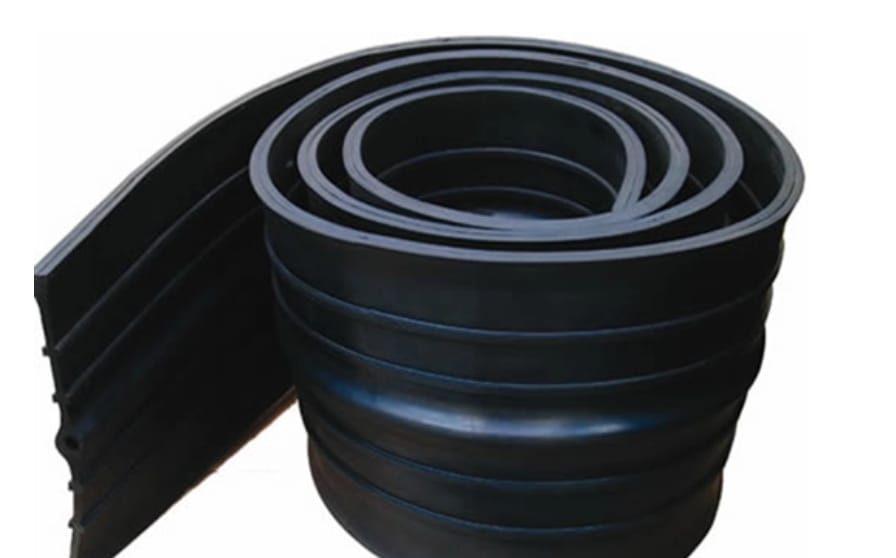
Installation Method for Rubber Waterstops
The core principles of rubber waterstop installation are “centered positioning, secure fastening, hot-vulcanized joints, and protection against vibration-induced displacement.” While installation methods vary by type, the basic workflow remains consistent. Positioning and Fastening Embedded (Center-placed) Type: Align the central hole of the waterstop with the centerline of the expansion joint…
-
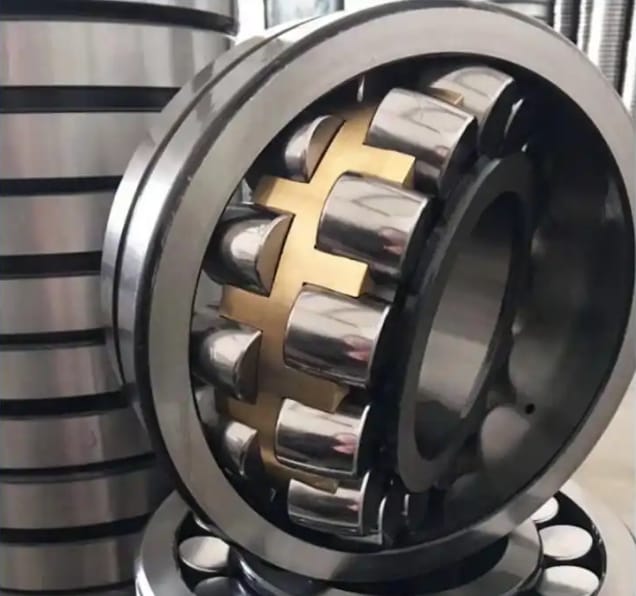
Double-row tapered roller bearing model numbers
Today, I’d like to discuss a component that is critical to industrial equipment yet perhaps unfamiliar to the general public: the double-row tapered roller bearing. These bearings play an indispensable role in various types of heavy machinery and precision equipment; correctly identifying and selecting the right model is directly linked…
-
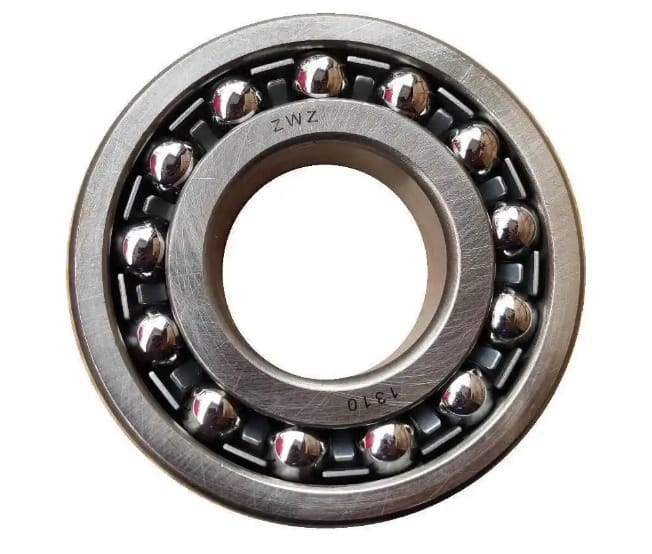
Double-row cylindrical roller bearing specifications
Double-row cylindrical roller bearings are a common type of rolling-element bearing characterized by two rows of cylindrical rollers housed within the bearing assembly, typically comprising an inner ring, an outer ring, rolling elements, and a cage. These bearings are primarily designed to support heavy radial loads and can accommodate a…
-
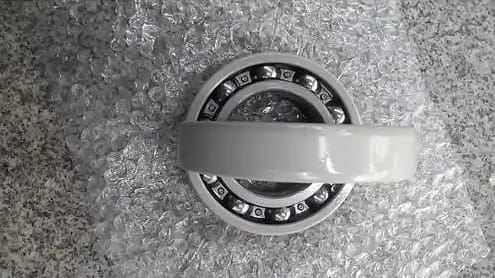
Dimensions of single-row cylindrical roller bearings
The single-row cylindrical roller bearing is a common type of rolling-element bearing characterized by cylindrical rolling elements that make line contact with the raceways; it is primarily designed to support radial loads. These bearings possess high radial load-carrying capacity and are suitable for applications involving heavy loads and shock loads.…