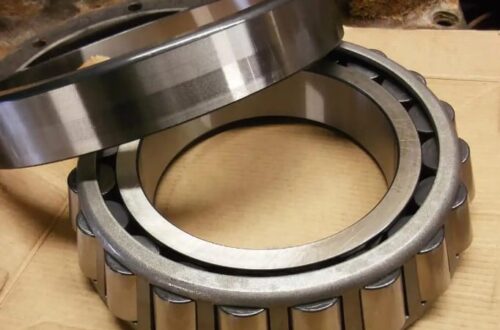
Rubber bearings are common mechanical components widely used in various types of rotating or oscillating equipment. Their core components include inner and outer metal rings with an intermediate rubber layer; this rubber layer is securely bonded to the metal parts through a specialized vulcanization process, providing both structural support and vibration damping.
These bearings were originally designed to overcome certain limitations of traditional all-metal bearings. For instance, in applications requiring vibration absorption or the accommodation of angular misalignment, all-metal bearings may prove inadequate, whereas rubber bearings are well-suited to handle such conditions.
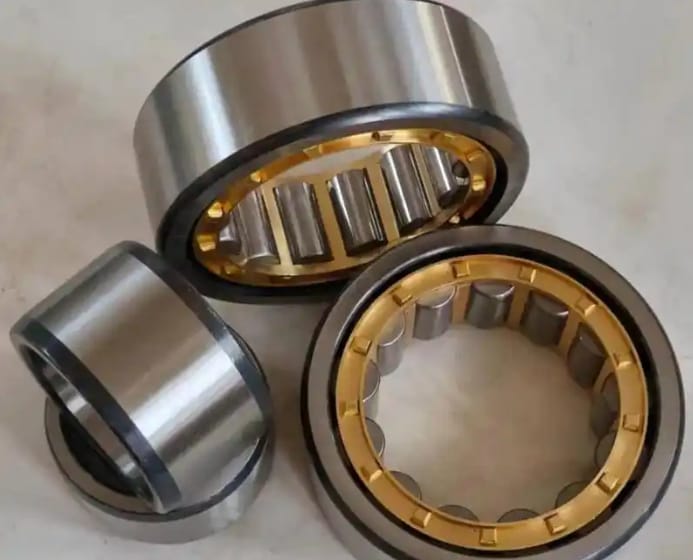
What are the main types of rubber bearings?
Based on their structural configuration, rubber bearings can be categorized as follows:
1. Radial rubber bearings: Primarily designed to withstand radial loads, these allow for slight radial displacement of the shaft. Commonly found in drive shaft connections, they compensate for installation errors and dimensional changes caused by thermal expansion or contraction.
2. Axial rubber bearings: Specifically designed to handle axial loads, these allow for slight axial movement of the shaft. They are typically used in applications requiring the absorption of axial vibration, such as in the mounting of certain pumps and compressors.
3. Spherical rubber bearings: Featuring a spherical structure, these allow for angular deflection in multiple directions. This design makes them particularly suitable for connections requiring multi-degree-of-freedom movement.
4. Bushing-type rubber bearings: Characterized by a simple structure and low cost, these are widely used in the connection points of various types of lightweight equipment.
How are rubber bearings manufactured?
The manufacturing process for rubber bearings involves several stages, each significantly influencing the performance of the final product:
1. Material preparation: Selecting the appropriate rubber material based on the intended operating environment. Common rubber types include natural rubber, neoprene, and nitrile rubber. Different rubber materials offer distinct properties, such as oil resistance and aging resistance.
2. Metal component processing: The metal parts of the bearing are typically manufactured from steel or aluminum alloy. Before assembly, the metal surface requires pretreatment—such as degreasing and rust removal—to ensure strong adhesion between the rubber and the metal.
3. Vulcanization Molding: This is a critical step in the manufacturing process. The prepared rubber preform and metal components are placed into a mold and vulcanized under specific temperature and time conditions. During this process, cross-linked structures form between the rubber molecules, while a strong chemical bond is simultaneously established with the metal surface.
4. Post-processing: After vulcanization, excess flash must be removed, and the finished product requires necessary trimming. Some products may also require anti-corrosion surface treatment.
What should be considered when using rubber bearings?
In actual operation, the performance of rubber bearings is influenced by various factors:
1. Operating Temperature: The properties of rubber materials change with temperature. Excessive heat accelerates rubber aging, while excessively low temperatures can cause the rubber to harden and lose elasticity.
2. Media Compatibility: Different types of rubber have varying levels of resistance to media such as oils and chemicals. The appropriate material must be selected based on the actual operating environment.
3. Load Conditions: Prolonged overloading significantly shortens the bearing’s service life. Ensure that the operating load remains within design limits and avoid excessive impact loads.
4. Installation Method: Incorrect installation can lead to premature bearing failure. Attention should be paid to alignment accuracy during installation, and forceful assembly methods should be avoided.
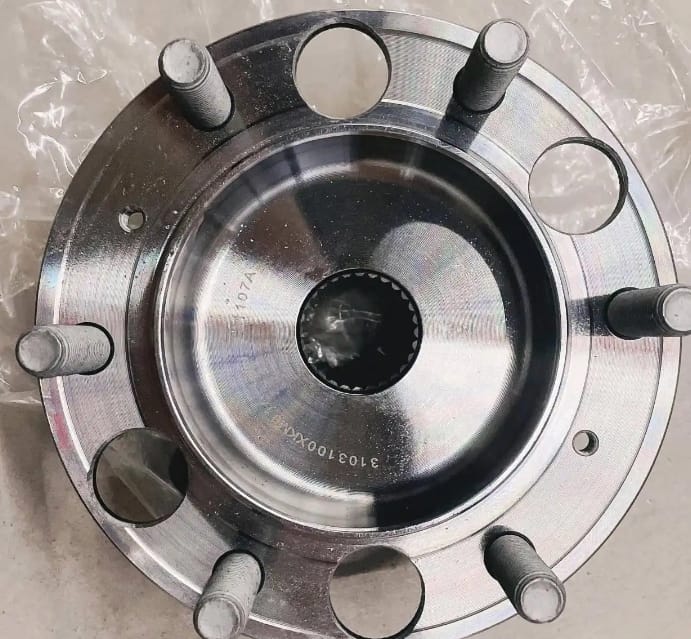
How do you select the right rubber bearing?
Several factors must be considered when selecting a rubber bearing:
1. Operating Environment: This includes conditions such as operating temperature, contact media, and ambient humidity. These factors directly influence the choice of rubber material.
2. Load Requirements: It is necessary to determine the static load, dynamic load, and potential impact load that the bearing must withstand.3. Type of motion: Is it purely rotational motion, or a complex motion involving oscillation or deflection? This factor influences the choice of bearing structure.
4. Space constraints: The dimensions and shape of the installation space often determine the range of suitable bearing options.
5. Service life: The expected service life requirement for the bearing is determined based on the equipment’s maintenance cycle and design lifespan.
What should be considered regarding the maintenance of rubber bearings?
Proper maintenance can extend the service life of rubber bearings:
1. Regular inspection: A regular inspection schedule should be established to assess the bearing’s condition by observing changes in the rubber surface. Prompt replacement is necessary if signs such as cracking, hardening, or excessive deformation are detected.
2. Maintain cleanliness: Prevent impurities—especially corrosive chemicals—from adhering to the bearing surface.
3. Pay attention to lubrication: Some types of rubber bearings require periodic lubrication; however, it is crucial to use lubricants that are compatible with the rubber material.
4. Record operating time: Maintain usage records documenting when the bearing was put into service and its operating conditions; this provides a basis for preventive replacement.
What are the development trends for rubber bearings?
Rubber bearings continue to evolve alongside advancements in materials science and manufacturing technology:
1. Application of new materials: The development of novel synthetic rubbers enables enhanced bearing performance, offering superior characteristics in areas such as temperature and wear resistance.
2. Manufacturing process improvements: The adoption of automated production technologies has improved product consistency and quality stability.
3. Design optimization: The use of computer-aided design (CAD) and simulation technologies allows for more precise and efficient bearing design.
4. Enhanced testing methods: Improved testing methodologies and equipment provide a robust guarantee for product quality control.
As a critical mechanical component, the performance of rubber bearings directly impacts the operational status of the equipment. Understanding the basic characteristics and usage requirements of these products is crucial for their proper selection and application. In practice, fully leveraging the advantages of rubber bearings requires a comprehensive consideration of various factors in light of specific operating conditions.