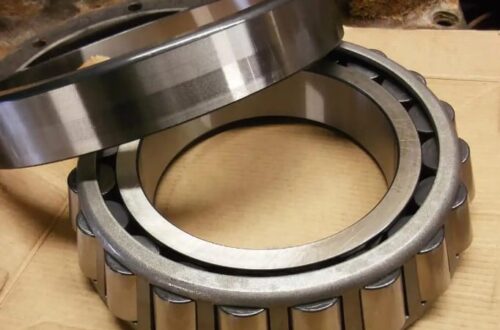
Spherical bearings are a common type of rolling-element bearing, consisting of an inner ring, an outer ring, steel balls, and a cage. They are characterized by their ability to withstand significant radial loads and certain axial loads, while also possessing self-aligning capabilities. Spherical bearings are widely used in machinery across various industries, including metallurgy, mining, petroleum, chemicals, and mechanical manufacturing.
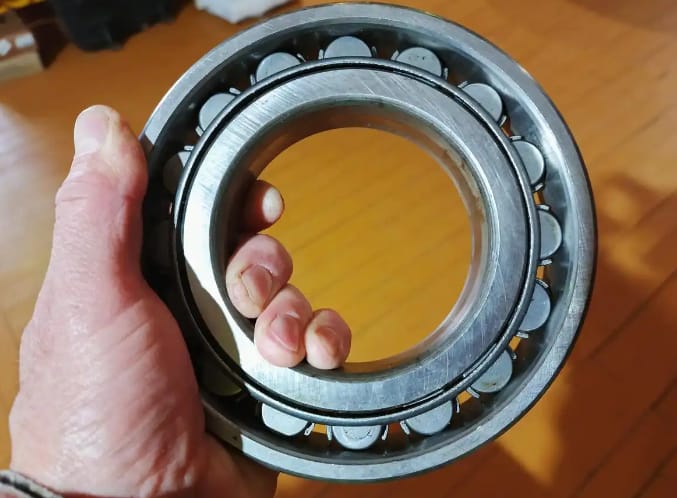
Structure and Working Principle of Spherical Bearings
1. Structure: The inner and outer rings of a spherical bearing feature spherical surfaces, and they are connected by steel balls and a cage. This spherical design enables the bearing to self-align in multiple directions.
2. Working Principle: When external forces act upon the spherical bearing, the steel balls between the inner and outer rings bear the load, allowing the bearing to support both radial and axial forces. Simultaneously, the spherical shape of the rings facilitates automatic alignment, thereby reducing friction and wear during operation.
Application Areas of Spherical Bearings
1. Metallurgical Industry: Spherical bearings are widely used in metallurgical equipment such as rolling mills, continuous casting machines, and hot rolling mills. They operate stably in high-temperature and high-load environments, ensuring the proper functioning of the equipment.
2. Mining Industry: Spherical bearings are extensively used in mining equipment, including crushers, screening machines, and conveyors. Capable of withstanding significant impact and vibration loads, they ensure the reliability and stability of the equipment.
3. Petroleum Industry: Applications in the petroleum industry primarily involve equipment such as oil drilling rigs and pumping units. Spherical bearings can withstand high-speed rotation and high-temperature operating environments, ensuring the equipment runs smoothly.
4. Chemical Industry: Spherical bearings are used in chemical processing equipment such as mixers, centrifuges, and compressors. They are capable of withstanding chemical corrosion and high temperatures, ensuring equipment reliability and safety.
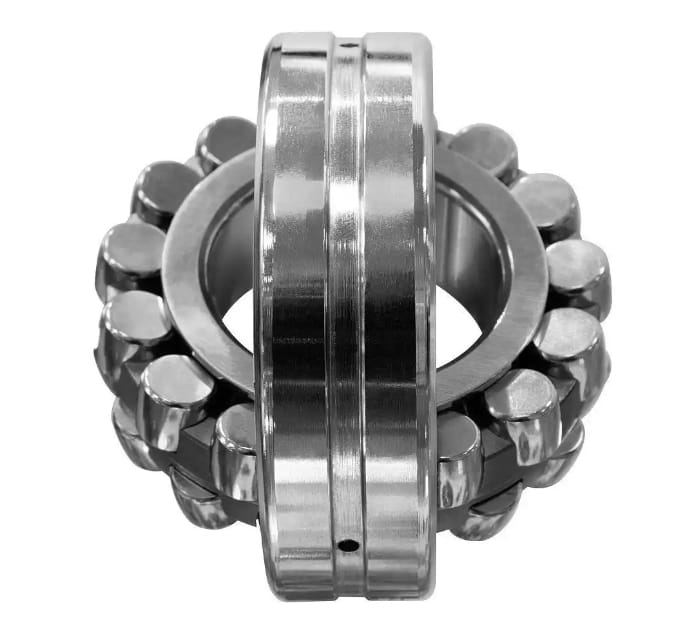
Development Trends of Spherical Bearings
1. High-Speed Operation: With continuous advancements in industrial technology, there is an increasing demand for higher equipment operating speeds. Future developments will focus on high-speed capabilities, raising rotational speed limits to meet the requirements of high-speed machinery. 2. Lightweighting: Bearing weight significantly impacts equipment operating efficiency and energy consumption. Moving forward, spherical bearings will evolve toward lightweight designs, utilizing new materials and configurations to reduce weight and enhance equipment efficiency.
3. Smart Integration: Driven by the advancement of IoT technology, smart equipment represents the future trend. Spherical bearings will be integrated with smart components—such as sensors and control systems—to enable condition monitoring, fault diagnosis, and remote control, thereby improving equipment reliability and maintenance efficiency.
As a common type of rolling-element bearing, spherical bearings are widely used across various industries. Characterized by a simple structure and reliable performance, they are capable of withstanding substantial radial and axial loads. As industrial technology continues to advance, spherical bearings will evolve toward higher speeds, lighter weights, and smart capabilities to meet the diverse equipment needs of various industries.